

 Vehicle-mounted solutions

 Home
Home
The lifespan of a fan is influenced by multiple factors, with design and manufacturing being the key factors
 Feng Zhi Yuan
 Nov 24,2025

The design and manufacturing of wind turbines are the "innate foundation" that determines their lifespan - material selection determines the wear resistance of core components, manufacturing processes determine structural integrity, and design redundancy determines system risk resistance. Together, these three factors constitute the core guarantee for the long-term stable operation of wind turbines.
1、 Material selection: determining component durability from the 'source'
The performance of the material directly matches the operating environment of the fan (onshore/offshore, high corrosion/high wind and sand, etc.), and selection deviation can directly lead to premature failure of components, thereby shortening the overall life of the machine.
Blade material: The corrosion resistance and fatigue resistance of composite materials such as fiberglass and carbon fiber directly affect the lifespan of the blade. Poor quality materials are prone to aging and cracking, which shortens the overall lifespan of the fan.
Bearings and gearboxes: High precision bearings and high-quality gearbox materials (such as alloy steel) can reduce wear and extend the life of critical components.
Anti corrosion coating: Special anti-corrosion coating is required for offshore wind turbines, otherwise salt spray corrosion will accelerate structural damage.
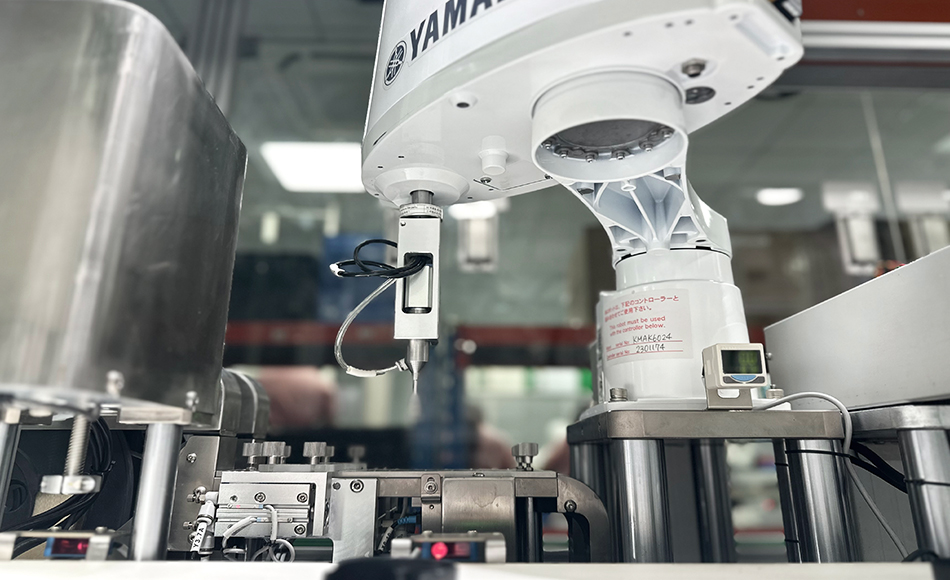
2、 Manufacturing process: Ensuring structural integrity through the 'process'
Even if high-quality materials are used, if the manufacturing process does not meet the standards, it will introduce "congenital defects" (such as bubbles, stress concentration, and loose connections), which will gradually amplify over long-term operation and ultimately lead to component failure.
Blade forming process: Vacuum infusion process is more uniform than manual pasting process, reducing internal defects and improving fatigue resistance.
Welding and connection process: Poor welding quality can lead to stress concentration and accelerate metal fatigue; Loose bolt connections can cause vibration and damage to components.
3、 Design redundancy and reliability: reducing failure risk from the "system"
During the operation of the fan, it is inevitable to encounter a single point of failure (such as a sensor failure or a lubrication pump failure). Redundant design can be achieved through "backup" or "modular" design to avoid single point failure causing machine shutdown or component damage, indirectly extending the life of the entire machine.
Redundant design, such as dual bearings and backup power supply, can reduce the risk of single point failure and extend the system's lifespan.
Modular design facilitates the replacement of faulty components and reduces downtime.
 The lifespan of a fan is influenced by multiple factors, with the key factor being the operating environment